
Disclosure: As an Amazon Associate I earn from qualifying purchases. How this site works
Pour Over Coffee Ratio Guide
Brewing by weight is the easiest way to make pour over consistent. Use this chart to find how much coffee and water you need.
Quick answer
For pour over, start with a 1:16 ratio: use 1 gram of coffee beans or grounds for every 16 grams of water. That is about 19 g coffee for a 10 fl oz (296 g) mug, 22 g for 12 fl oz (355 g), or 31 g for 500 g of water. Use 1:15 for stronger coffee and 1:17 for lighter coffee.
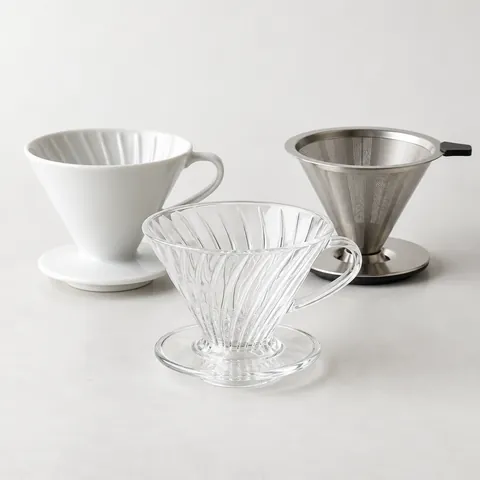 Pour over drippers
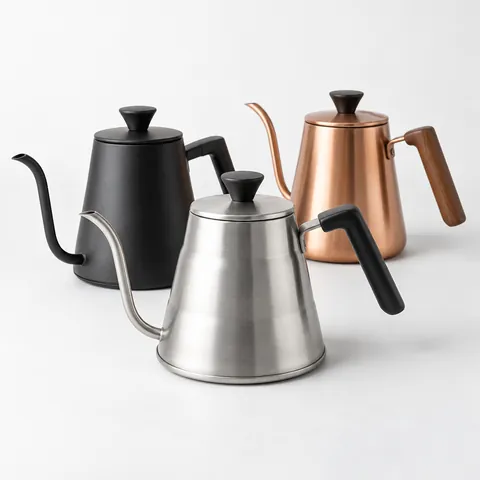 Gooseneck kettles
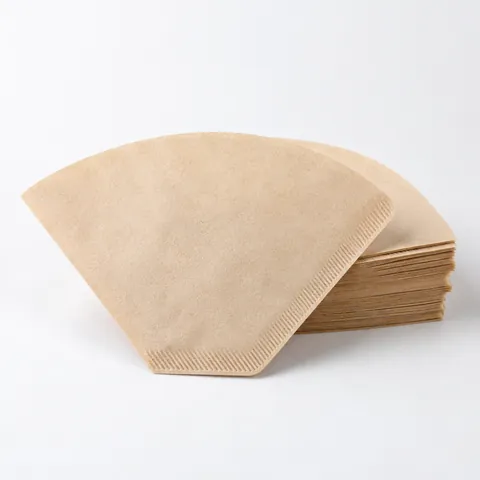 Paper filters
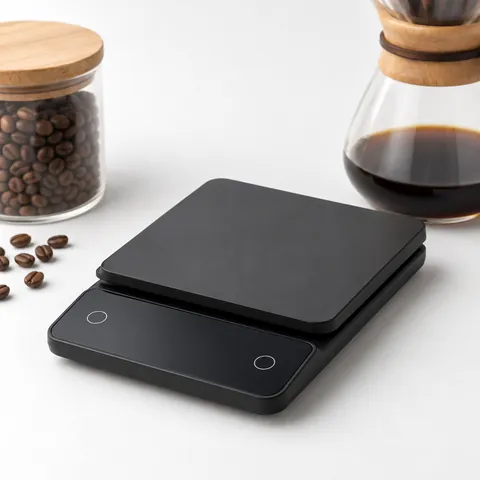 Coffee scales
Pour Over Coffee Grams by Mug Size
Use these rounded doses for common US mug sizes; water weight includes the bloom.
| Mug size | Water | 1:15 | 1:16 | 1:17 |
|---|---|---|---|---|
| 8 fl oz | 237 g | 15.8 g | 14.8 g | 13.9 g |
| 10 fl oz | 296 g | 19.7 g | 18.5 g | 17.4 g |
| 12 fl oz | 355 g | 23.7 g | 22.2 g | 20.9 g |
| 14 fl oz | 414 g | 27.6 g | 25.9 g | 24.4 g |
| 16 fl oz | 473 g | 31.5 g | 29.6 g | 27.8 g |
| 500 ml | 500 g | 33.3 g | 31.3 g | 29.4 g |
Ratio chart
| Water | 1:15 | 1:16 | 1:17 |
|---|---|---|---|
| 250 g (1 small cup) | 16.7 g | 15.6 g | 14.7 g |
| 300 g (1 mug) | 20 g | 18.8 g | 17.6 g |
| 500 g (2 cups) | 33.3 g | 31.3 g | 29.4 g |
| 750 g (3 cups) | 50 g | 46.9 g | 44.1 g |
| 1000 g (4 cups) | 66.7 g | 62.5 g | 58.8 g |
One gram of water is one millilitre. A cup here means roughly 250 ml.
Adjusting strength vs extraction
Ratio changes strength — how concentrated the coffee is. Grind size and brew time change extraction — how much flavour is pulled from the grounds. If your coffee is too weak but tastes balanced, use more coffee. If it tastes sour or bitter, adjust the grind first.
Without a scale
A level tablespoon of medium-ground coffee weighs roughly 5–7 g depending on the beans and grind, so a scale is much more reliable. As a rough start, use about 3 level tablespoons per 300 ml mug.
How do you calculate a pour over ratio?
A pour over ratio is written as coffee:water. A 1:16 ratio means 1 gram of coffee for every 16 grams of water. To find the coffee dose, divide the water weight by the ratio number. For example, 400 g of water divided by 16 equals 25 g of coffee.
To go the other direction, multiply the coffee dose by the ratio number. If you have 22 g of coffee and want to brew at 1:16, use 352 g of water. Rounding to the nearest gram is fine for home brewing.
| What you know | Formula | Example |
|---|---|---|
| Water amount | Water ÷ ratio number = coffee | 360 g water ÷ 16 = 22.5 g coffee |
| Coffee amount | Coffee × ratio number = water | 24 g coffee × 16 = 384 g water |
| Need it stronger | Use a smaller ratio number | Move from 1:16 to 1:15 |
| Need it lighter | Use a larger ratio number | Move from 1:16 to 1:17 |
A coffee scale makes this math much easier because you can weigh the dripper and mug together, tare to zero, then pour until you hit the target water weight.
What pour over ratio should you start with?
A good starting point for most pour over brewers is 1:16. It is balanced enough for many medium roasts and gives you room to adjust in either direction. If you are brewing a coffee for the first time, keep the ratio, water temperature, and pour pattern steady so you can judge the grind and flavor clearly.
- Use 1:15 when you want a fuller cup, when adding milk, or when the coffee tastes balanced but thin.
- Use 1:16 as a neutral first brew for most washed, medium-roast coffees.
- Use 1:17 when the cup feels heavy or intense but does not taste sour from under-extraction.
- Change only one thing at a time. If you adjust ratio and grind together, it is harder to know what fixed or hurt the brew.
Roast level can guide your starting point, but it should not lock you in. Darker roasts often taste strong at the same ratio because they dissolve easily and bring more roast flavor. Very light roasts may taste clearer with a slightly wider ratio, but they still need enough extraction from the grind and pour.
Your dripper also matters. A fast-flowing cone or flat-bottom brewer may need a different grind to hit the same flavor at the same ratio. If your current brewer stalls, drains too fast, or is hard to pour into evenly, compare basic pour over drippers by shape, size, and filter availability before changing the recipe completely.
Does bloom water count in the ratio?
Yes. Bloom water is part of the total brew water. If your recipe calls for 500 g of water, that includes the bloom and every later pour. Do not add bloom water on top of the recipe amount unless you intentionally want a weaker cup.
A common bloom amount is about two to three times the coffee dose by weight. For 30 g of coffee, that means roughly 60 to 90 g of bloom water. Use enough to wet all the grounds, then wait until the bed stops rising quickly before continuing your pours.
- Place the rinsed filter, dripper, and carafe or mug on the scale.
- Add ground coffee and tare the scale to zero.
- Pour bloom water until all dry spots are wet.
- Let the coffee bloom briefly, then continue pouring in stages.
- Stop when the scale reaches the total water target for your ratio.
A kettle that pours in a steady, narrow stream can make the bloom and later pours easier to control. If your regular kettle dumps water too quickly, a gooseneck kettle can help you pour without flooding the bed.
How much coffee do you need for one person or two people?
Think in finished mug size, not in vague “cups.” A small pour over may use 250 to 300 g of water. A larger mug may use 350 to 400 g. For two people, 500 to 750 g of water is a practical range depending on mug size and how much coffee each person wants.
Remember that the amount of brewed coffee in the carafe will be a little less than the water you pour in because the grounds hold some water. For recipe planning, use the poured water weight as your ratio number, not the final beverage weight.
| Serving goal | Water range | Coffee at 1:16 |
|---|---|---|
| Small single serving | 250–300 g | 16–19 g |
| Large single mug | 350–400 g | 22–25 g |
| Two smaller mugs | 500–600 g | 31–38 g |
| Two larger mugs | 650–750 g | 41–47 g |
Check your brewer size before scaling up. Overfilling the filter can slow the drawdown, make the bed muddy, and push water too close to the rim. If your brewer is near its limit, it is usually better to brew two smaller batches than one crowded batch.
Why does the same ratio taste different on different days?
The ratio can be correct and the coffee can still taste different. Bean age, grind setting, water temperature, filter fit, pouring speed, and how evenly the bed is wet all affect the cup. Ratio controls concentration, but it does not guarantee the same extraction every time.
- If the cup is sour and thin, grind a little finer before adding more coffee.
- If the cup is harsh, dry, or bitter, grind a little coarser or pour more gently.
- If the cup is balanced but too strong, keep the grind and use slightly more water.
- If the cup is balanced but too weak, keep the grind and use slightly more coffee.
- If the brew clogs near the end, check for too many fines, a very fine grind, or a filter that does not sit correctly.
Filters can also change flow and flavor. Some paper filters drain faster than others, and a poor fit can cause folds that trap grounds. Keep the same filter type while dialing in a recipe; if you switch to different paper filters, treat it like a new variable and taste before making more changes.
Frequently asked questions
How many grams of beans for pour over?
At a 1:16 starting ratio, divide the water grams by 16. For example, 300 g of water uses about 19 g of coffee beans or grounds.
Is pour over ratio based on beans or grounds?
Use the weight of the coffee after grinding, but whole beans and grounds weigh the same before brewing. If you weigh 22 g of beans, you will have about 22 g of grounds.
How much coffee for a 12 oz pour over?
For a 12 fl oz pour over, use about 355 g of water. At 1:16, that needs about 22 g of coffee.
Is a 1:15 or 1:16 pour over ratio better?
Neither is automatically better. A 1:15 ratio makes a more concentrated cup, while 1:16 is a common middle ground. If both taste well extracted, choose based on how strong you like the coffee.
Should I measure pour over coffee before or after grinding?
Measure the beans before grinding. The weight should stay essentially the same after grinding, but weighing whole beans is cleaner and easier. If you spill or retain grounds in the grinder, weigh the grounds in the filter to confirm the dose.
Does ice count as water in an iced pour over ratio?
Yes, ice is part of the total water once it melts. For iced pour over, many recipes use less hot water and put ice in the server, but the hot water plus ice should be considered together. Keep notes so you can repeat the strength you like.
Can I use ounces instead of grams for pour over?
You can, but grams are simpler because water and coffee can be measured on the same scale without volume conversions. If your scale shows ounces only, use the same ratio logic by weight. Do not mix fluid ounces for water with weight ounces for coffee unless you know the conversion.
Why is my pour over watery even with the right ratio?
A watery cup can come from under-extraction, not just too much water. The grind may be too coarse, the brew may be draining too fast, or the grounds may not be getting evenly wet. If the flavor is sour or hollow, adjust grind and pouring before changing the ratio.
Disclosure: As an Amazon Associate I earn from qualifying purchases. This site may earn a commission when you buy through its links, at no extra cost to you. Product details come from public manufacturer information; always check the merchant page for current specifications and prices. We have not hands-on tested the products described here.