
Disclosure: As an Amazon Associate I earn from qualifying purchases. How this site works
Where to Buy a Pour Over Coffee Maker
Each category below links to current listings on Amazon (opens in a new tab). Use this checklist to compare pour over equipment before you buy.
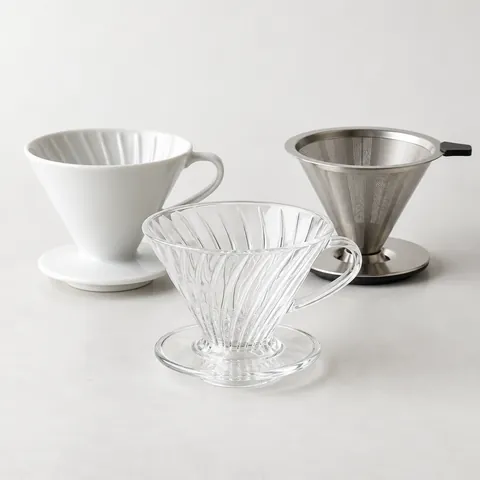 Pour over drippers
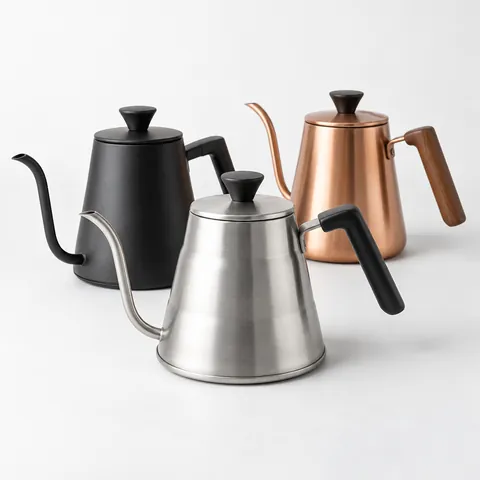 Gooseneck kettles
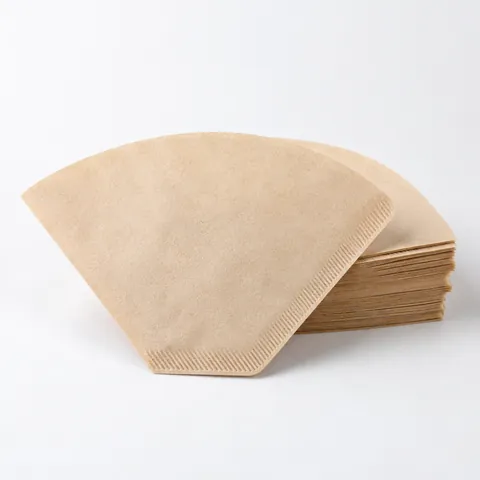 Paper filters
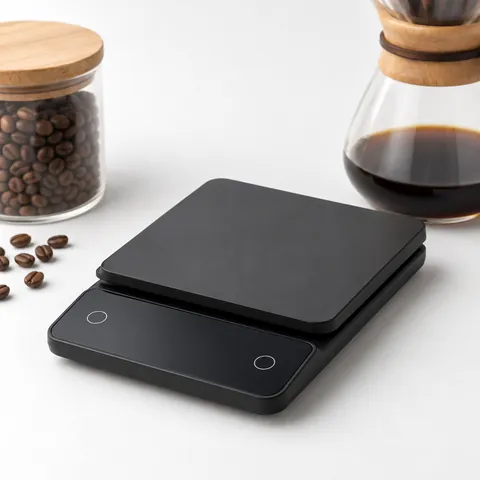 Coffee scales
Before you buy
- Check which filters the brewer uses and where to buy them.
- Check capacity (single cup or carafe).
- Choose material: ceramic, glass, plastic or metal.
- Check it fits your mugs or carafe.
- Check dishwasher safety and return policy.
Categories referenced on this site
Local coffee shops
Many specialty coffee shops sell brewers, filters and freshly roasted beans, and staff can show you how to brew.
Should you buy a pour over coffee maker online or in a store?
Buying online is usually best when you already know the brewer shape, size, and filter type you want. It also makes it easier to compare materials, replacement filters, kettle options, and customer questions in one place. Start with pour over drippers if you need the brewer itself.
Buying in a store is useful when fit and feel matter. You can see whether the dripper feels sturdy, whether the base sits flat, and whether the opening looks wide enough for your mug or server. If you are buying a glass carafe, in-person shopping also lets you inspect the handle, spout, and thickness before you commit.
| Where to buy | Best for | What to check before paying |
|---|---|---|
| Online marketplace | Widest selection and easy comparison | Filter type, dimensions, return window, and whether filters are included |
| Kitchenware store | Seeing materials and sizes in person | Mug fit, base stability, glass thickness, and cleaning access |
| Specialty coffee shop | Beginner advice and brewing help | Whether replacement filters are stocked and which grind size they recommend |
| Department or home goods store | Basic brewers and gift purchases | Package contents, capacity, and whether the brewer uses common filters |
If you are buying a first setup, the safest choice is a simple dripper with easy-to-find filters, plus a kettle and scale if you want better control. You do not need to buy every accessory at once, but a brewer that requires hard-to-find filters can be frustrating later.
What should be included when you buy a pour over setup?
A pour over brewer may be sold by itself or bundled with a carafe, filters, scoop, or stand. Read the listing carefully because product photos sometimes show accessories that are not included. The words “set,” “kit,” and “bundle” are more useful than the photos, but the package contents list is what matters.
- Brewer only: Good if you already have a mug or carafe and know which filters to buy.
- Brewer with starter filters: Convenient for the first few brews, but confirm you can buy the same filters again.
- Brewer with carafe: Useful for making more than one cup, but check the brewer and carafe are stable together.
- Brewer with stand: Looks tidy on a counter, but it adds height and may not fit under low cabinets.
- Full kit: Convenient for gifts, but inspect each piece instead of assuming every accessory is the one you would choose separately.
For most people, the core setup is a dripper, matching paper filters, a way to heat and pour water, and a way to measure coffee and water. A regular kettle can work, but a narrow spout gives you more control over where the water lands in the coffee bed. If your current kettle pours too fast, compare gooseneck kettles before replacing the brewer.
A scale is not required, but it removes guesswork. Scoops vary, beans vary, and mugs vary, so measuring by weight makes repeatable coffee much easier. If consistency is your main complaint with pour over, look at coffee scales before buying a more complicated brewer.
How do you avoid buying the wrong size or shape?
The most common buying mistake is choosing a brewer that technically works but does not fit your daily routine. A single-cup dripper may be perfect for one mug before work, while a larger brewer can be easier for two servings. Bigger is not automatically better because a large cone can be awkward when brewing a small dose.
- Measure the inside diameter of the mug or carafe you plan to use. Compare it with the brewer base or stand opening.
- Check the total height if the brewer sits on a carafe, especially if you brew under a cabinet.
- Decide how much coffee you usually make at one time. Choose a brewer that matches that habit instead of the largest option available.
- Look at the drain hole pattern. One large opening may require more careful pouring, while smaller or multiple openings may be more forgiving depending on the design.
- Consider storage. A one-piece dripper is easy to put in a cabinet; a stand-and-carafe setup needs more space.
Shape also affects the filters you will need. Cone-shaped, flat-bottom, and wedge-style brewers do not use the same paper filters. Some brewers accept common filter sizes, while others require a specific shape. If you brew every day, filter availability matters as much as the brewer itself.
What listing details matter most before checkout?
Before you buy from an online listing, slow down and verify the practical details. A good product page should tell you the material, dimensions, capacity, compatible filters, and what comes in the box. If those details are missing or vague, choose a different listing or buy from a seller that answers basic product questions clearly.
- Filter compatibility: Look for the exact shape and size, not just the phrase “paper filter.”
- Capacity wording: Separate brew capacity from carafe capacity. A carafe may hold more liquid than you should brew at once.
- Heat handling: Confirm whether plastic parts are intended for hot water contact and whether glass parts are described as heat resistant.
- Cleaning instructions: Check whether hand washing is recommended, especially for wood collars, metal stands, or delicate glass.
- Replacement parts: For brewers with collars, lids, carafes, or stands, see whether replacements are available.
- Seller and return terms: Confirm who ships the item, who handles returns, and whether opened kitchen items can be returned.
Also read the lowest-rated customer comments for patterns, not isolated complaints. Repeated mentions of wobbling, cracking, unclear filter fit, or poor packaging are more useful than broad opinions about taste. Taste depends heavily on coffee, grind, water, and technique, so focus on comments about the physical product.
What is a good pour over coffee maker for a beginner to buy?
A good beginner brewer is simple, stable, easy to clean, and compatible with filters you can reorder without hunting. Avoid starting with a fragile or highly specialized setup unless you specifically want the look or ritual. Your first brewer should make it easy to learn the basics: rinse the filter, add ground coffee, pour in stages, and adjust grind or ratio as needed.
Material choice is partly personal. Plastic is light and less likely to break, ceramic holds heat well but can chip, glass lets you see the brew but is fragile, and metal is durable but may retain heat differently depending on the design. None is automatically best for everyone.
If you are buying as a gift, choose a common filter format and include a small pack of matching filters if the product does not come with any. A brewer without filters may look complete in the box, but the recipient cannot use it until they buy the right papers.
Frequently asked questions
Can I buy a pour over coffee maker without a special kettle?
Yes. You can start with a regular kettle if it pours steadily and does not flood the coffee bed. A gooseneck kettle is helpful because it gives better control, but it is an upgrade rather than a requirement.
Do pour over coffee makers come with filters?
Some do, but many do not. Check the package contents instead of relying on photos. Even when starter filters are included, confirm the exact replacement filter shape and size before you buy.
Is it better to buy a pour over set or separate pieces?
A set is convenient if every piece matches your needs, especially for a gift. Separate pieces are better if you care about choosing the brewer, kettle, scale, and carafe individually. Always compare what is included so you do not pay for accessories you will not use.
What should I check when buying a used pour over coffee maker?
Inspect for cracks, chips, rust, missing parts, odors, and worn seals or collars. Make sure it sits flat and that replacement filters are still available. For glass or ceramic brewers, avoid anything with damage near the base or rim.
Disclosure: As an Amazon Associate I earn from qualifying purchases. This site may earn a commission when you buy through its links, at no extra cost to you. Product details come from public manufacturer information; always check the merchant page for current specifications and prices. We have not hands-on tested the products described here.